Introduction
An IPO, or Initial Public Offering, is one of the most important events in the stock market. It is the process through which a private company becomes a publicly traded company by offering its shares to the public for the first time. In India, IPOs attract millions of retail investors every year because they provide an opportunity to invest early in a growing business.
For beginners, IPO investing may look confusing, but once you understand how IPOs work, they become much easier to analyze and invest in wisely.
What Is an IPO?
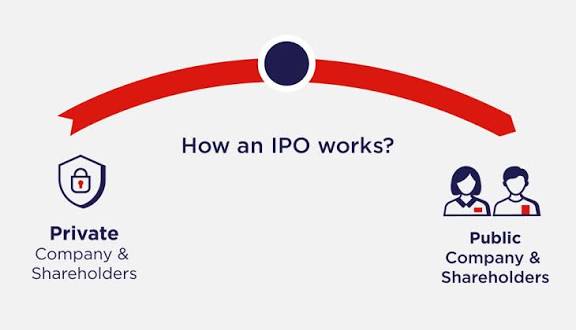
An IPO (Initial Public Offering) is when a private company offers its shares to the public through the stock exchange, such as NSE or BSE. After an IPO, the company’s shares can be bought and sold in the open market.
In simple words:
- Before IPO → Company is private
- After IPO → Company becomes public
Why Do Companies Launch an IPO?
Companies launch IPOs for several reasons:
1. To Raise Capital
The main reason for an IPO is to raise money for business expansion, debt repayment, or future growth.
2.Brand Visibility
After going public, a company gains more trust, recognition, and credibility.
3. Exit for Early Investors
IPO allows early investors and promoters to sell part of their stake and book profits.

Types of IPOs in India
There are mainly two types of IPOs:
1. Fixed Price Issue
In this type, the company fixes a price at which shares are offered to investors.
2. Book Building Issue
Here, a price band is given (for example ₹90–₹100), and investors bid within that range.
How Does an IPO Work?
The IPO process follows these steps:
- Company appoints investment banks (underwriters)
- SEBI approval is taken
- Price band and issue dates are announced
- Investors apply for IPO
- Shares are allotted
- Shares get listed on the stock exchange
IPO Investment Categories
In India, IPO investors are divided into categories:
- Retail Investors (RII) – Small investors
- Qualified Institutional Buyers (QIB) – Mutual funds, banks
- Non-Institutional Investors (NII) – High net-worth individuals
Retail investors usually have a separate quota, increasing allotment chances.
How to Apply for an IPO in India?
You can apply for an IPO using:
- Online trading apps (Zerodha, Groww, Upstox)
- Net banking through ASBA
- Broker platforms
You need:
- PAN Card
- Demat Account
- Bank Account
IPO Allotment: How It Works
IPO allotment depends on:
- Number of applications
- Total shares available
- Oversubscription level
If an IPO is highly oversubscribed, allotment is done through a lottery system for retail investors.
What Is IPO Listing Day?
The listing day is when IPO shares start trading on the stock exchange. On this day, shares may:
- List at a premium (listing gain)
- List at par
- List at a discount
Benefits of Investing in IPOs
- Opportunity to invest early
- Potential listing gains
- Long-term wealth creation
- Portfolio diversification
Risks of IPO Investment
- No past public trading data
- Overhyped IPOs
- Market volatility
- Business risks
Investors should always analyze company fundamentals before investing.
How to Analyze an IPO Before Investing?
Before applying, check:
- Company business model
- Revenue and profit growth
- Debt levels
- Industry competition
- Promoter background
- IPO valuation
IPO vs Stock Market Investment
| IPO | Stock Market |
| First-time share issue | Shares already listed |
| Limited information | Full market data available |
| High excitement | More stable |
Are IPOs Good for Beginners?
Yes, IPOs can be good for beginners if invested carefully. Avoid blindly applying for every IPO and focus on long-term quality companies rather than quick listing gains.
Final Thoughts
IPO investing can be rewarding when done with proper research and patience. While some IPOs offer quick profits, others are better suited for long-term investment.
Understanding how IPOs work will help you make smarter decisions and avoid unnecessary risks.
Nice breakdown of how IPOs work, especially for beginners who often get overwhelmed by the terminology. One thing that might also help new investors is understanding the difference between listing gains and long-term potential, since many people enter IPOs expecting quick profits. Adding a section on how to evaluate a company’s fundamentals before applying could make the guide even more practical.